

Steam Fittings & Valve Solutions for High-Pressure Systems
share
In sectors such as power generation, petrochemicals, manufacturing, and food processing, steam fittings and steam valves are far more than secondary components. They are the critical infrastructure that defines how reliably pressure is contained, how flow is regulated, and how operational risks are mitigated across the plant.
A failure in a valve or fitting under high pressure can lead to catastrophic safety incidents, significant energy losses, and costly downtime. In this guide, we will explore the essential roles of steam fittings and steam valves in high-pressure steam systems, the criteria for selecting the right materials, and how properly engineered components contribute to overall steam system safety.
High-Pressure Steam Systems: Definition
High-pressure steam systems are the lifeblood of industrial processes that require steam to deliver massive energy over long distances or at controlled, elevated conditions. These systems typically operate above standard utility ranges (e.g., 15-20 bar) and reach temperatures where material strength, sealing integrity, and thermal stability become critical factors.
Unlike low-pressure networks, high-pressure environments place continuous, aggressive stress on industrial steam components. Factors such as thermal expansion, rapid pressure fluctuations, and hydraulic shock (water hammer) increase the risk of leakage or component fatigue. Consequently, the steam fittings and valves selected for these applications must maintain tight shutoff and predictable behavior under sustained, rigorous operating conditions.
Core Steam Fittings Used in High-Pressure Applications
Steam fittings serve as the physical framework of the system, connecting pipelines, enabling direction changes, and supporting safe drainage. In high-pressure environments, standard plumbing fittings are insufficient; the focus must shift to robust connection methods designed to withstand thermal cycling.
Connection Types: Flanged vs. Welded
- Flanged Connections: Common in medium-to-high-pressure lines, flanged joints allow controlled disassembly, which is vital for inspection and maintenance. They are preferred where components may need replacement or servicing.
- Butt Weld Connections: For the highest pressure applications, welded connections are often preferred. They provide a permanent, leak-proof joint that eliminates the risk of gasket failure, though they make maintenance more complex.
- Threaded Connections: generally avoided in high-pressure steam lines. The thermal expansion and vibration inherent in these systems can cause threaded joints to loosen, increasing the likelihood of dangerous leaks.
Drainage and Outlet Fittings
Steam fittings designed for drainage, such as bottom outlet points, are critical in boilers and reactors. These ensure that condensate or process media is completely removed, preventing “dead spaces” where residue can accumulate and corrode the system.
Drain/Bottom Outlet Valve solutions are specifically engineered to address these points to ensure zero-residue drainage and protect the integrity of the vessel.
Primary Steam Valve Types and Their Functions
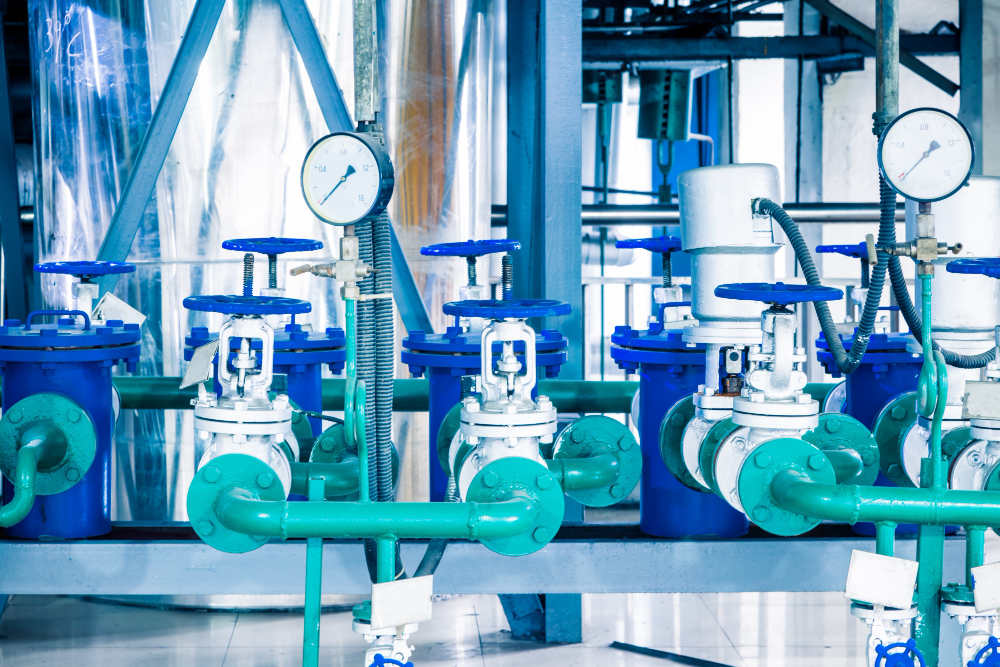
Steam valves control the pressure, flow rate, and direction of steam. Using the wrong configuration can lead to wire-drawing (erosion) and valve failure.
Isolation and Stop Valves
These valves are the gatekeepers of the system, used to start or stop steam flow.
- Globe Valves: Considered the gold standard for isolation and throttling in high-pressure lines. Their internal design forces steam to change direction, providing a tight seal and precise flow regulation. High-performance options, such as Stop Valves, are essential for frequent operation.
- Gate Valves: Primarily used for on/off service. They offer low flow resistance when fully open, but are poorly suited for regulating flow.
- Butterfly Valves: Often used in large-diameter pipes where space is at a premium. Modern high-performance “triple-offset” Butterfly Valves are increasingly used in steam for their ability to provide a tight shutoff even under high pressure.
Control and Efficiency Valves
To maintain process consistency, specific valves regulate variables like temperature and pressure.
- Pressure Reducing Valves: These are essential for lowering high main-line pressure to usable levels for specific process equipment. A reliable Pressure Reducing Valve prevents downstream equipment from being over-pressurized.
- Temperature Control: A Temperature Control Valve modulates steam flow to maintain precise heat transfer rates, ensuring product quality in industries like food processing or pharmaceuticals.
- General Control: For automated regulation of flow and pressure, robust Control Valves are integrated into the control loop to respond to system demands instantly.
Safety and System Protection
Steam system safety relies on automatic devices that respond to abnormal conditions without operator intervention.
- Safety Valves: The ultimate line of defense. A Safety Valve automatically releases excess steam if pressure exceeds a set limit, preventing potential explosions or piping failures.
- Vacuum Breakers: When steam condenses and the system cools, a vacuum can form, potentially imploding equipment. A Vacuum Breaker admits air to neutralize this vacuum.
- Check Valves: Also known as non-return valves, Check Valves allow flow in only one direction, preventing dangerous backflow that could damage pumps or boilers.
Choosing the Right Valves: Materials and Sealing
Selecting steam valves for high-pressure applications requires strict adherence to engineering standards regarding materials and sealing technology.
Material Selection: Steel vs. Iron
Standard cast iron is often unsuitable for high-pressure steam due to its brittleness and lower thermal shock resistance.
- Cast Steel / Forged Steel: For high-pressure steam fittings and valves, materials like Cast Steel (e.g., GP240GH) or Forged Steel are essential. They provide the ductility needed to withstand thermal shock and high mechanical stress.
- Stainless Steel: Often utilized in clean steam applications or corrosive environments to prevent contamination.
Sealing Technology: Bellows vs. Gland
Leakage is a major safety risk in high-pressure steam systems.
- Bellows Seal Valves: These are often termed “maintenance-free.” A metal bellows seals the stem, creating a physical barrier that prevents steam from escaping into the atmosphere. They are highly recommended for critical lines to ensure zero external leakage.
- Gland Packing: Traditional valves use packing material to seal the stem. While effective, they require regular maintenance and tightening to prevent leaks over time.
Condensate Management and Efficiency Components
Effective condensate management is critical to maintaining heat transfer efficiency and preventing water hammer (when high-velocity water slugs damage pipes).
- Steam Traps: The most critical component for efficiency. Steam Traps filter out condensate and non-condensable gases while keeping live steam in the system. A failed trap either leaks expensive steam or blocks heat transfer.
- Strainers: Installed before sensitive equipment, Strainers catch scale, rust, and debris that travels through the pipes, protecting control valves from damage.
- Air Vents: An Automatic Air Vent removes air from the steam space. Air acts as an insulator, significantly reducing heat transfer efficiency if not removed.
- Blowdown Valves: To maintain boiler health, a Blowdown Valve is used to remove sludge and dissolved solids, preventing scale buildup that can lead to overheating.
Automation and Actuation in Modern Steam Systems
Automation enhances precision in high-pressure steam systems where manual operation is impractical or unsafe. Steam valves equipped with actuators allow for remote control and rapid response to process changes.
Actuators, such as Electric Rotary Actuators, provide precise positioning for throttling valves. This automation enables:
- Accurate Flow Regulation: Precise modulation that manual operation cannot match.
- Remote Monitoring: Operators can manage valves from a control room, keeping them away from high-temperature zones.
- Predictive Maintenance: Automated feedback can alert operators to valve sticking or performance issues before they cause failure.
Ensuring Longevity: Service and Maintenance
Even the highest quality steam fittings and valves require expert care to maintain performance over decades of service. At EEA, we believe that supplying the product is just the beginning of our partnership.
Our after-sales services team has been pivotal to our enduring success and reputation over the years. We understand that high-pressure steam systems require vigilance. Throughout and beyond the warranty period, we ensure routine maintenance of your equipment through a customized contract.
Our technical capabilities are unmatched in the region. Comprising 20 engineers and 40 highly trained technicians, our engineering and automotive services department operates with 14 maintenance vehicles fully equipped with tools and spare parts. Whether it is installation, routine maintenance, in-house training for your staff, or emergency repair breakdown services, our goal is to consistently achieve customer satisfaction during every service visit.
Partner with EEA for High-Pressure Solutions
Building a safe high-pressure steam system demands more than just connecting pipes; it requires the right choice of materials, advanced sealing technologies, and a partner who understands the engineering behind the components.
EEA provides certified industrial steam components that meet rigorous international standards. From high-pressure valve types like bellows-sealed globes to essential condensate management devices, our portfolio is designed to ensure your facility runs safely, efficiently, and with minimal downtime.
Contact EEA today for tailored engineering solutions and expert support.