

Boiler Maintenance Checklist for Industrial Plants
share
Industrial boilers play a vital role in keeping manufacturing plants operational. They provide the steam and hot water needed for power generation and production processes across sectors such as food, beverage, chemical, and energy. Because these systems operate under high pressure and temperature, even the most minor issues can cause costly disruptions, safety risks, or reduced efficiency.
A structured boiler maintenance program is essential to prevent such outcomes. In this guide, we’ll outline a practical boiler maintenance checklist tailored to industrial plants. We’ll explain the daily, weekly, monthly, and annual inspection procedures, the benefits of preventive maintenance, and how EEA’s integrated service capabilities ensure operational reliability year-round.
Understanding Industrial Boiler Types and Their Maintenance Needs
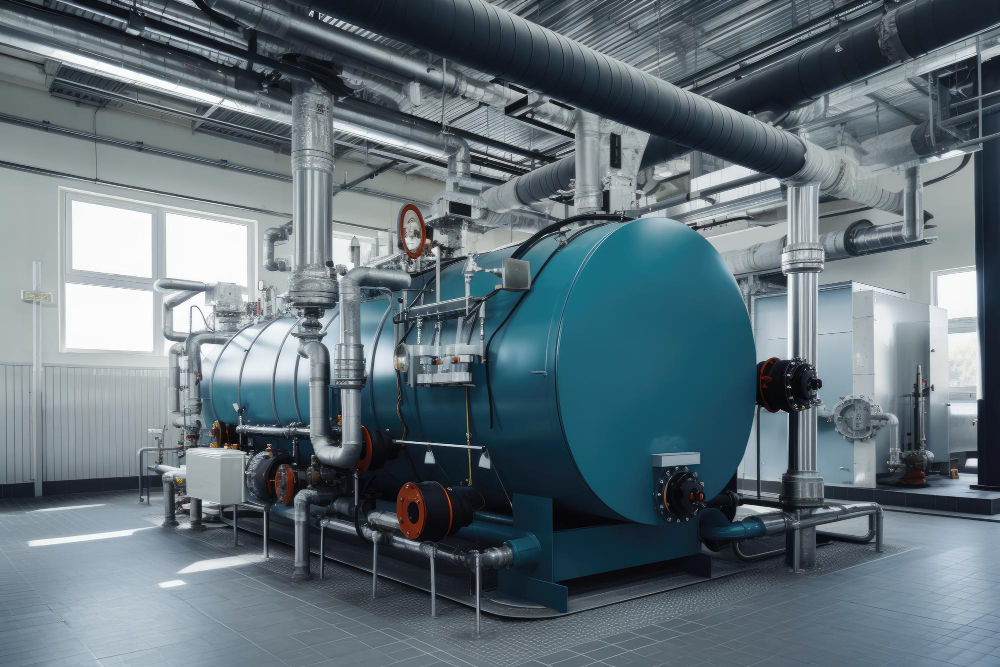
Industrial boilers differ in design, pressure range, energy recovery capability, and thermal application. Understanding these system variations helps engineers plan inspections, predict wear patterns, and apply correct cleaning or testing procedures.
Common in facilities with moderate steam requirements. In this design, hot combustion gases pass through tubes surrounded by water, creating steam within the shell. Their compact layout and straightforward design simplify maintenance, but operators must regularly remove soot and scale buildup to maintain optimal heat transfer.
- Water-tube Boilers
Built for higher pressure and temperature requirements, and often used in energy-intensive industries. Water circulates through tubes heated externally by combustion gases, allowing faster steam generation and improved load response. Maintenance priorities include checking feedwater quality and safety valves to prevent corrosion and thermal fatigue.
Capture waste heat from turbines or engines to generate steam or hot water without additional fuel consumption. Regular inspection of gas flow paths and heat exchange surfaces ensures consistent performance.
Designed for industrial and commercial heating applications. With a fully wet-back configuration and high-efficiency burners. They benefit from routine combustion tuning, air intake inspection, and water treatment checks to maintain stable output and low emissions.
Other specialized systems include the electric steam boiler and diathermic oil boilers, used in environments requiring low-emission or flame-free operation.
#1: Daily Boiler Maintenance Tasks
Daily checks are the foundation of every boiler maintenance checklist. These inspections are quick, require no shutdown, and significantly reduce the likelihood of unscheduled downtime.
Key daily tasks include:
- Monitor operating conditions: Record pressure, water level, and temperature readings. Any deviation from normal ranges may indicate a control issue or feedwater problem.
- Inspect for leaks and abnormal sounds: Examine piping and the combustion chamber for signs of water leakage or unusual noise.
- Perform blowdown operations: Removing dissolved solids and sediment from the boiler prevents scale buildup and maintains water quality.
- Verify sight glass and low-water cutoffs: Ensure both components function correctly to prevent dry firing and maintain safe water levels.
- Check the venting system: Confirm that flues and air inlets are unobstructed by dust, debris, or condensation to maintain proper combustion air supply.
Each inspection should be logged to create a maintenance record. This data helps identify early performance trends and supports proactive decision-making for repair or optimization.
#2: Weekly Boiler Maintenance Activities
Weekly maintenance focuses on verifying the boiler’s safety and combustion systems. These checks confirm that critical components perform reliably under normal operating conditions and respond correctly during system irregularities.
Essential weekly tasks include:
- Test safety valves: Verify that each valve opens at its designated pressure to prevent overpressurization.
- Inspect burner flame quality: Observe flame color and stability to confirm proper fuel-air ratio and combustion efficiency. Irregular flames often indicate blocked nozzles, poor atomization, or control imbalance.
- Check low-water cutoff systems: Test automatic shutdown and manual reset functions to ensure the system protects against low-water operation.
- Review control panel readings: Examine indicator lights and error logs for any abnormal patterns.
- Clean combustion air filters: Remove dust and debris to maintain consistent airflow and burner performance.
Flue gas analysis is an essential part of weekly maintenance. It verifies combustion efficiency by measuring oxygen and carbon monoxide levels in exhaust gases, ensuring compliance with emission standards.
Through an exclusive partnership with Kane Automotive in Egypt, EEA provides high-precision flue gas analysers such as the KANE 988. This model measures O2 and CO up to 10,000 ppm, with H2 compensation and wireless data transfer, enabling technicians to fine-tune boiler performance and maintain environmental compliance.
#3: Monthly Boiler Maintenance Requirements
Monthly maintenance builds on daily and weekly inspections by focusing on components that affect system integrity, combustion stability, and long-term performance. These checks detect early signs of wear or inefficiency that can affect long-term reliability.
Key monthly tasks include:
- Inspect gaskets and seals: Look for corrosion, leaks, or deformation that may compromise pressure containment or heat retention.
- Verify flame detection and limit controls: Test sensors to confirm they trigger automatic shutdowns under unsafe conditions.
- Check blowdown separator and cooler operation: Ensure that blowdown systems function correctly to prevent thermal shock and contamination.
- Examine floor drains and air inlets: Confirm that drains are clear and that ventilation paths remain unobstructed.
- Assess electrical connections and wiring: Tighten loose terminals and look for insulation wear that could affect control reliability.
A visual inspection at this stage reveals conditions that, if addressed early, can prevent costly downtime. Plant engineers may also perform combustion efficiency tests and recalibrate controls if readings have drifted from target values.
At EEA, we support these preventive measures through structured maintenance contracts that include monthly site visits, handled by our dedicated team of engineers and technicians. Each visit ensures the system continues to meet safety and performance benchmarks while aligning with manufacturer recommendations.
#4: Annual Maintenance and System Overhaul
Annual maintenance is the most comprehensive phase of boiler care. It involves planned shutdowns, internal inspections, and specialized servicing to restore full performance and extend equipment lifespan. These procedures require qualified technicians familiar with pressure vessel systems and combustion management controls.
Core annual tasks include:
- Fireside and waterside inspections: Open the boiler shell to check for soot, scale, or corrosion. Clean heat transfer surfaces to restore thermal efficiency.
- Hydrostatic pressure testing: Verify the integrity of tubes and joints by pressurizing the system with water and monitoring for leaks.
- Burner tuning and control recalibration: Optimize fuel-air ratios, verify flame stability, and adjust settings on advanced control systems such as Autoflame’s Micro Modulation units.
- Refractory and insulation assessment: Examine combustion chamber materials for cracks or wear that could affect combustion temperature or safety.
- Safety valve service and certification: Replace or recertify valves to maintain regulatory compliance and ensure pressure protection.
EEA has successfully executed full-scale boiler commissioning and annual maintenance for industrial leaders, including Coca-Cola HBC and SAHARA for Fruit Processing. Each project reflects our ability to integrate mechanical servicing with control calibration, ensuring reliability and efficiency.
Maintaining Reliability with Every Inspection
A well-maintained boiler system is the foundation of safe and efficient industrial operation. Regular inspection and adherence to a structured maintenance checklist will protect both equipment and personnel while ensuring a steady energy supply for production.
Through our 80-year heritage and partnerships with global leaders such as Cochran, Autoflame, and Kane, we continue to support industrial clients across Egypt with proven maintenance solutions that combine engineering precision with dependable field service.
Contact our team for tailored maintenance programs or technical support