

EEA’s Solutions for Locomotive Engine Overhauling
share
Locomotive engines are the driving force of national rail networks, but their performance inevitably declines with years of heavy use, making scheduled overhauling essential for maintaining optimal performance. For railway operators, timely engine restoration is the foundation of safe and dependable service.
In today’s blog, we’ll discuss in detail what locomotive engine overhauling involves, why it is critical for railway reliability, and how we at EEA deliver complete solutions to the country’s transport and infrastructure sectors through our Railway Division and allied technical department.
The Critical Role of Locomotive Engine Overhauling
Locomotive engines operate under extreme conditions: long operating hours, heavy loads, and variable environments. This continuous stress causes significant wear in many subsystems. Common issues include reduced compression in cylinders, fuel system inefficiencies due to injector wear, and the degradation of critical bearings. If these problems are left unaddressed, they can escalate and lead to increased fuel consumption or unplanned breakdowns that disrupt service and fleet availability.
A structured locomotive engine maintenance program directly addresses these challenges by:
- Restoring Performance: Machining and calibrating worn components to recover their original horsepower and fuel efficiency.
- Extending Service Life: Delaying the need for costly complete engine replacements by returning existing units to a serviceable condition.
- Ensuring Compliance: Meeting railway safety and environmental standards through validated testing and certified equipment.
- Reducing Operational Costs: Lowering fuel use, minimizing costly emergency repairs, and maximizing overall fleet availability.
Ultimately, the value of train engine overhauling services lies in ensuring trains remain reliable and efficient while controlling lifecycle costs.
Key Components in the Overhauling Process
A locomotive engine overhaul is not a single repair but a coordinated restoration of every subsystem that keeps the engine efficient and safe. Each component faces unique wear patterns and requires specialized equipment to return it to service-ready condition:
I. Engine Block
- Function: Forms the structural core of the engine and houses cylinders and coolant passages.
- Common wear: Cracks from thermal stress, liner erosion, and coolant leaks.
- Overhaul actions: Dimensional inspection, ultrasonic crack testing, cylinder reboring, and liner replacement.
II. Crankshaft and Bearings
- Function: Transfers piston motion into rotational drive.
- Common wear: Journal scoring, fatigue cracks, misalignment.
- Overhaul actions: Precision grinding, crack detection, bearing replacement.
III. Pistons and Connecting Rods
- Function: Deliver combustion force to the crankshaft.
- Common wear: Piston crown erosion, ring groove wear, rod bushing failure.
- Overhaul actions: Ultrasonic cleaning, resurfacing, replacement of rings and bushings.
IV. Cylinder Heads and Valves
- Function: Seal combustion chambers and manage air intake and exhaust.
- Common wear: Valve seat erosion, head warping
- Overhaul actions: Pressure testing, face resurfacing, valve seat grinding, guide and seal replacement.
V. Fuel Injection System
- Function: Delivers fuel under high pressure with exact timing.
- Common wear: Injector nozzle clogging, plunger wear, pump pressure loss.
- Overhaul actions: Injector calibration, pump rebuilds, bench testing.
VI. Turbocharger and Air Systems
- Function: Boost intake air pressure for combustion efficiency.
- Common wear: Shaft imbalance, blade erosion, bearing failures.
- Overhaul actions: Dynamic balancing, seal replacement, airflow verification.
VII. Cooling and Lubrication Systems
- Function: Control engine temperature and minimize friction.
- Common wear: Clogged oil passages, pump wear, radiator scaling.
- Overhaul actions: Oil pump rebuilds, radiator cleaning or replacement, flushing of coolant channels.
VIII. Electrical and Control Systems
- Function: Monitor and regulate engine timing and protection systems.
- Common wear: Sensor drift, wiring insulation breakdown.
- Overhaul actions: Diagnostic testing, recalibration, wiring replacement.
EEA’s Integrated Divisions for Locomotive Engine Overhauling
Through exclusive partnerships with global manufacturers, EEA delivers train engine repair solutions to national railway stations, each providing specialized equipment. Together, they form a complete ecosystem for every stage of the locomotive engine overhauling process:
A) Railway Division: Lifting, Testing, and Cleaning
I. Lifting Systems
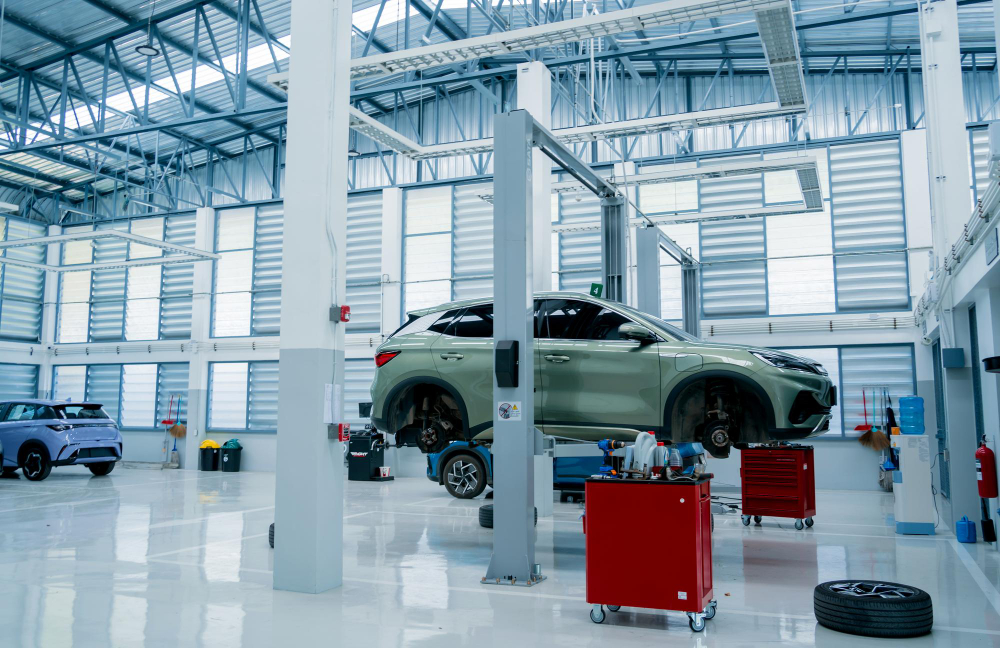
EEA supplies mobile and stationary jacks from IME-AUTOLIFT, with capacities from 2.5 to 50 tonnes per jack. Features like wireless synchronized control make them ideal for engine removal and bogie servicing. Our range includes versatile models such as the 2-post Freedom Lift, the robust ATL HEAVY PLUS evo, and the flexible 5 STAR evo.
II. Testing Systems
To validate repairs, EEA provides Sogema Engineering test systems for wheelsets and bogies and Irmie Impianti test benches for traction motors and gearboxes. These systems feature automated test modes and precise data logging to confirm drivetrain integrity.
III. Cleaning Systems
Thorough cleaning is the first step in any quality repair. Train washing and cleaning systems from InterClean use high-pressure spray modules and water recycling technology (recovering up to 90-100%) to remove debris and prepare assemblies for inspection.
B) Machine Tools Division: Precision and Fabrication
We provide sophisticated machining equipment essential for manufacturing and refurbishing locomotive engine components during overhauls. These include sheet metal machines for fabricating engine housings and brackets, CNC machines for precision component manufacturing, conventional machines for general machining operations, and grinding machines for achieving precise surface finishes on critical engine components.
C) The Compressors Division: Workshop Power and Support
Our portfolio includes air compressors from premium manufacturers like Sullair and Shamal, which provide the compressed air systems essential for pneumatic tools used in engine disassembly and assembly operations. These air systems are fundamental for operating air-powered tools, cleaning components with compressed air, and powering pneumatic lifting and positioning equipment used in locomotive workshops.
EEA’s Proven Projects in Egypt
The Egyptian National Railway (ENR):
EEA has supplied and installed advanced automatic train washing machines at multiple depots nationwide. These systems ensure consistent fleet cleaning and extend the life of rolling stock. We also equipped the ENR’s El-Farz signaling workshop with specialized machinery, supporting reliable operation and maintenance of critical systems.
Cairo Metro Line 3 – Adly Mansour Workshop:
At the Adly Mansour heavy workshop for Cairo Metro Line 3, EEA supplied shear and press brakes from Haco, and delivered four reduction-gear machines complete with training. These upgrades expanded the depot’s in-house capability for servicing gear units, ensuring reliable long-term performance for Line 3’s rolling stock.
Each installation is supported by technical training, after-sales service, and integration into long-term maintenance programs, giving railway operators confidence in fleet readiness and reliability.
Partner with EEA for Complete Overhauling Solutions
Locomotive engine overhauling is essential for extending service life and ensuring reliability. With our integrated divisions, certified equipment, and decades of engineering experience, EEA provides a comprehensive solution for railway operators across Egypt.
Learn how our solutions can strengthen the reliability of your railway operations.