

Common Mistakes in Sheet Metal Fabrication and How to Avoid Them
share
Sheet metal fabrication is central to industries where accuracy and reliability determine performance and cost efficiency. But even with modern machinery and advanced techniques, manufacturers can still encounter avoidable errors that slow production and compromise product quality.
This blog by EEA will highlight the most common sheet metal fabrication mistakes and provide guidance on how to prevent them. We will examine practical strategies to ensure consistency and safeguard operational efficiency.
Mistake #1: Incorrect Material Selection
One of the most critical sheet metal fabrication mistakes occurs before a single machine is powered on: choosing the wrong material for the application. Metals vary widely in properties such as tensile strength, ductility, corrosion resistance, thermal conductivity, and machinability.
Examples:
- Selecting a 6061 aluminum alloy instead of a stronger 7075 alloy for a high-stress structural component can result in premature failure.
- Using expensive 316 stainless steel for its superior corrosion resistance in a dry indoor application, when standard carbon steel would suffice, can unnecessarily inflate project costs and complicate processes.
Prevention:
Avoiding this mistake requires more than basic knowledge of metals. It involves assessing operating environments, load requirements, and long-term durability needs. Partnering with experienced engineers and suppliers ensures that materials are correctly specified and matched to each project’s unique demands.
Mistake #2: Poor Design for Manufacturability (DFM)
Design flaws often create production challenges long before fabrication begins. Drawings that specify overly tight tolerances or bend radius smaller than the material thickness can make forming difficult or even unachievable. These design oversights not only increase costs but also delay delivery, as parts may need to be reworked or scrapped altogether.
Examples:
- Sharp corners create stress concentrations that can lead to fractures under load.
- Placing holes or cutouts too close to a bend line weakens the material and increases the likelihood of distortion or cracking during forming.
Prevention:
To avoid sheet metal fabrication errors at this stage, designs should incorporate realistic tolerances, adequate bend allowances, and standardized tool sizes that align with shop capabilities. Early collaboration between design engineers and fabrication specialists is essential to identifying potential manufacturing issues before they become costly problems.
Mistake #3: Inaccurate Measurements and Tolerances
Dimensional accuracy is a critical requirement in sheet metal fabrication. Slight deviations in measurement can lead to misaligned assemblies and wasted material. Common issues include cumulative tolerance build-up across multi-part assemblies, thermal expansion during laser or plasma cutting, and inaccuracies caused by tool wear.
Another frequent error is specifying tolerances that are tighter than functionally necessary. While precision is indeed crucial, demanding a ±0.1mm tolerance when a ±0.5mm tolerance is enough increases manufacturing time and costs without adding real value to the final product.
Prevention:
The most reliable way to avoid these errors is by combining precision tools with realistic planning. Double-checking with advanced measuring systems and coordinating fabrication standards across all stages significantly improves accuracy.
Mistake #4: Weak Quality Control Systems
Inadequate quality control allows defects to pass through multiple production stages, turning minor errors into costly failures. Without systematic inspection, manufacturers risk producing parts with dimensional inaccuracies, poor welds, or compromised structural integrity. These oversights can also create safety risks when components are deployed in critical applications.
Prevention:
Utilizing a robust quality control system that spans the entire workflow. It begins with verifying material certifications upon arrival, includes in-process monitoring, and concludes with final dimensional and functional checks before delivery. Regular equipment calibration and thorough operator oversight are fundamental to maintaining high standards and preventing mistakes in metal sheet forming.
Mistake #5: Cutting, Forming, and Welding Errors
- Cutting: Incorrect feed rates, power settings, or gas mixtures in laser or plasma cutting can result in irregular edges or thermal distortions, which require time-consuming and costly rework..
- Forming: Improper alignment in a press brake or springback miscalculation can distort components and lead to assembly issues.
- Welding: Porosity caused by gas entrapment, cracking due to rapid cooling or hydrogen embrittlement, undercutting along weld edges, and incomplete fusion can all severely compromise joint strength and integrity.
Prevention:
Properly cleaning workpieces to remove contaminants, ensuring stable arc conditions, selecting the correct filler material, and carefully controlling preheating and post-weld cooling rates.
Mistake #6: Poor Equipment Maintenance
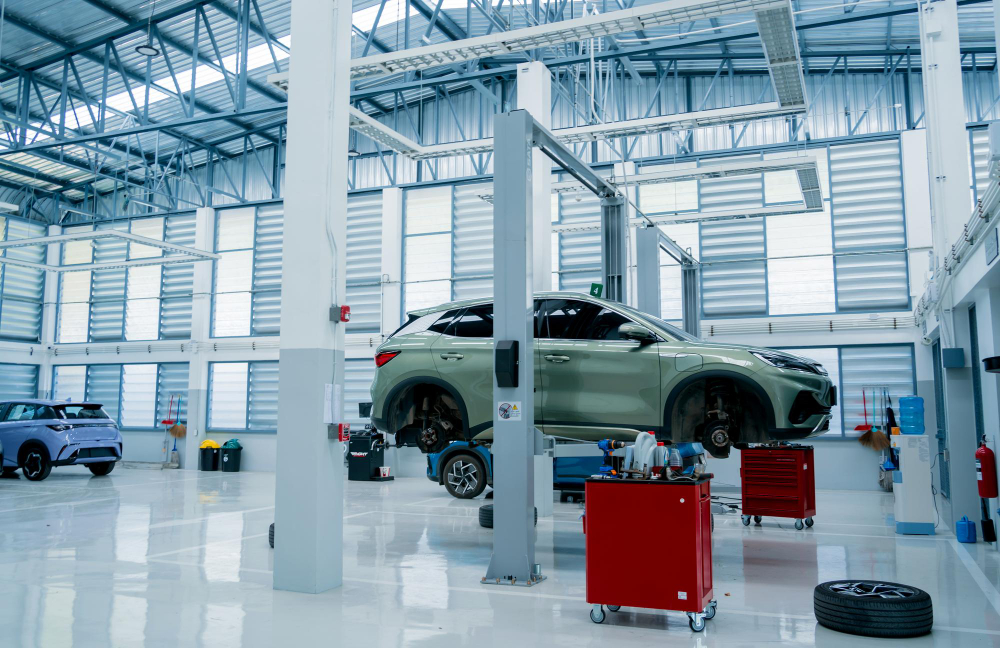
Even the most advanced machines can’t deliver precision if they are not properly maintained. Neglecting calibration, tool replacement, and alignment checks will lead to dimensional errors and unplanned breakdowns. Poorly maintained equipment can also pose a safety hazard to operators.
Prevention:
Predictive and preventive maintenance programs are the best safeguard. Scheduled inspections and timely replacement of worn tools help maintain production reliability. Manufacturers are also adopting IoT-based monitoring systems to detect equipment wear before it causes disruptions.
Mistake #7: Insufficient Training and Safety Protocols
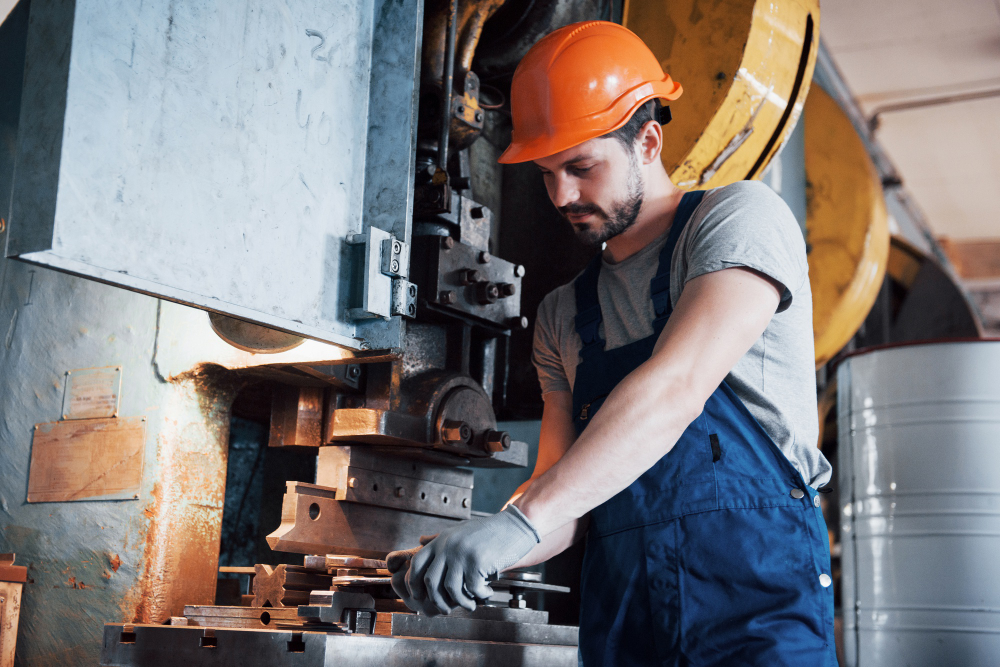
A skilled operator is as essential as a calibrated machine. Untrained or undertrained operators are another source of errors in sheet metal fabrication. Misuse of precision measuring instruments or improper machine setup can compromise product quality and lead to safety incidents.
Prevention:
Comprehensive training programs are essential to build operator competence in equipment operation and maintenance routines. Equally as important is the adherence to safety protocols, including the correct use of Personal Protective Equipment (PPE) and established shop-floor procedures.
Partnering for Precision: How EEA Mitigates Fabrication Risks
At EEA, we empower manufacturers to overcome these challenges through a combination of advanced technology, expert services, and proven experience.
I. Advanced Machinery for Every Application
Our portfolio of Sheet Metal Machines features state-of-the-art equipment from world-class partners like HACO that are engineered to prevent common fabrication errors:
- Press Brake (Hydraulic & CNC): Effortlessly bends and shapes sheet metal with programmable precision, offering unparalleled accuracy to avoid forming defects.
- Steel Workers: An all-in-one solution for punching, shearing, and notching that delivers efficiency and precision in a single, powerful package.
- Notchers Machine: Cuts steel vertically and perfectly perpendicular to the surface, ensuring clean, accurate notches every time.
- Shearing Machine: Swiftly trims excess material from sheet metal, streamlining the fabrication process with ease and accuracy.
- Plate Bending Machine: Versatile and powerful, it transforms flat metal sheets into precise round or conical shapes.
- Turret Punch Press: Efficiently punches holes and creates layout marks in metal sheets with exceptional speed and precision, minimizing measurement errors.
II. Comprehensive After-Sales Support and Training
Beyond providing state-of-the-art equipment, EEA builds long-term partnerships through our comprehensive after-sales services. Our dedicated department, comprising 20 engineers and 40 highly trained technicians, offers customized maintenance contracts that include routine visits to ensure your equipment remains in peak condition.
With 14 maintenance vehicles fully equipped with tools and spare parts, our team is ready to handle installation, breakdown repairs, and scheduled maintenance, all aimed at achieving total customer satisfaction. Our in-house training programs equip your operators with the skills necessary to optimize machine performance and minimize errors.
III. Proven Success in the Field
Our commitment to quality and precision is demonstrated in the success of our clients:
- GB Bus Manufacturing Facility: EEA successfully supplied, commissioned, and launched advanced machinery from HACO, including a CNC Press Brake and a Hydraulic Guillotine Shear, to enhance manufacturing efficiency and reliability.
- ICPM Company: To establish a new factory for diverse steel products, ICPM partnered with EEA to source a complete suite of machinery. This included shear and press brakes from HACO, along with drills, a lathe, and a large fiber laser machine.
- Egyptian-Japanese for Building and Construction: EEA achieved a significant milestone by installing a suite of advanced machines for EJAB, including a Press Brake, Shear, and Fiber Laser. Our team also provided comprehensive training to their workforce, ensuring optimal operation and empowering clients with the knowledge needed for success.
The smallest mistakes in sheet metal fabrication can escalate into costly rework and production delays. EEA has helped industrial clients in Egypt and the region reduce these risks through advanced machinery, reliable after-sales services, and expert operator training.
Looking to avoid costly sheet metal fabrication mistakes in your operation?
Contact EEA today to discuss solutions tailored to your needs.